
Systematic phonics is a highly effective, research-backed method for teaching children to read and spell. Unlike other approaches that may rely on memorization or guessing, systematic phonics provides students with a structured and explicit road map for understanding the English language. It teaches the predictable relationships between letters (graphemes) and the sounds they make (phonemes), empowering children to decode new words with confidence. Using alphabet worksheets can simplify teaching your child systematic phonics.
What Makes Phonics Instruction “Systematic”?
The “systematic” in systematic phonics refers to the organized, sequential way in which letter-sound relationships are introduced. This method starts with the most basic, common sounds and gradually progresses to more complex concepts, ensuring students master each skill before moving on. This reduces confusion and builds a reliable foundation for all future reading, which is especially beneficial for students with learning disabilities or those who have experienced trauma. For example, the Wilson Fundations program and the SPIRE phonics program are two well-known examples of systematic phonics curricula used in schools.
Why Hands-On Practice with Alphabet Worksheets is Key to Mastery
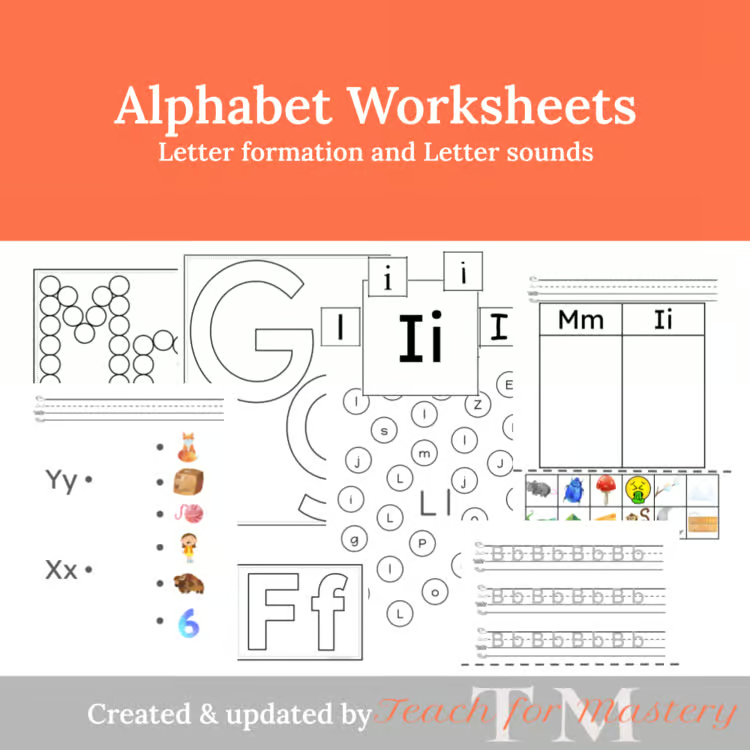
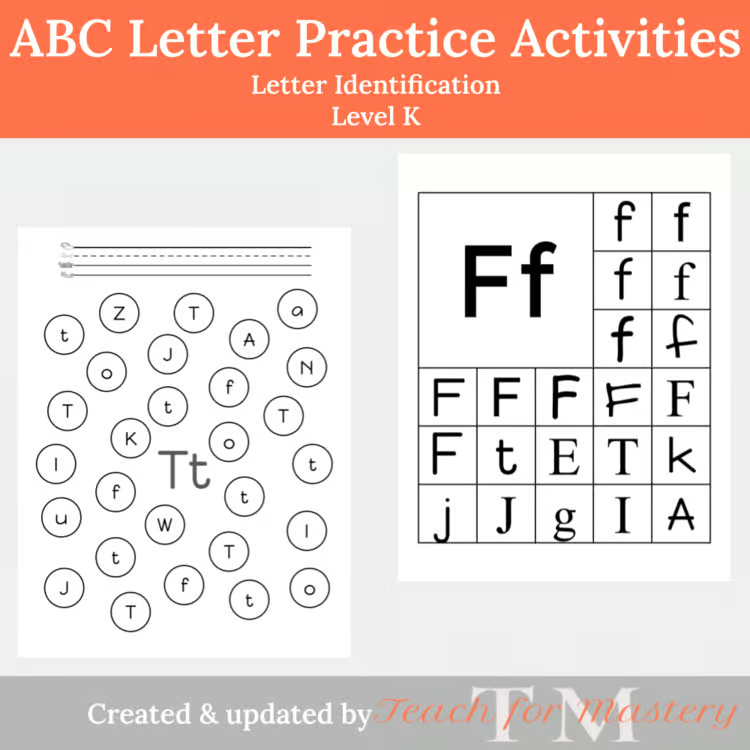
While understanding the theory behind phonics is essential, mastery requires frequent repetition. Research shows that some students need up to 200 repetitions to master a skill. This is where hands-on, multi-sensory activities become invaluable. These activities engage multiple senses—visual, auditory, and kinesthetic—to help solidify the connections between letters and sounds in a child’s brain. The ABC Letter Practice product is designed to provide this essential, repeated practice in an engaging format. It includes a variety of hands-on activities, such as:
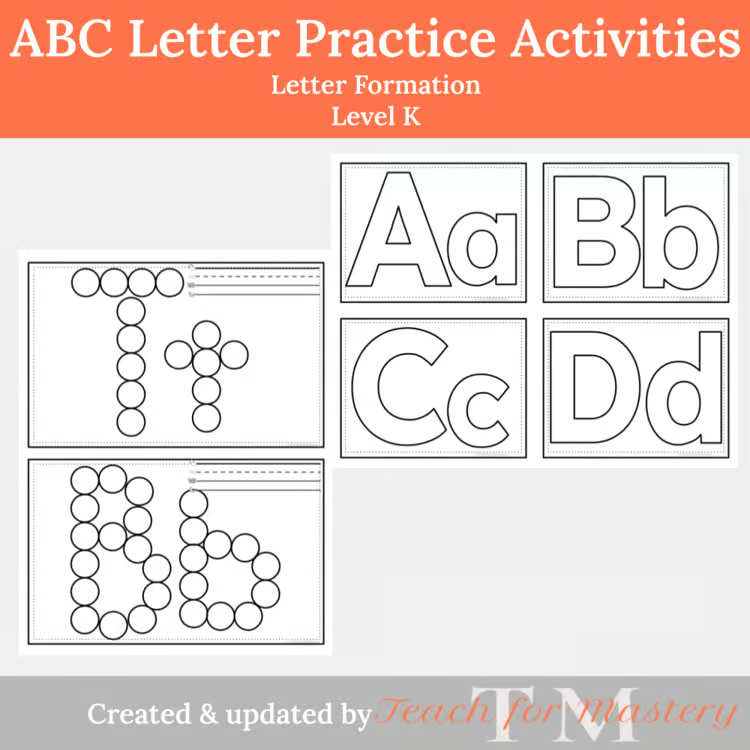
- Playdoh Letter Mats: These mats allow children to physically form letters using playdoh, which helps with muscle memory and letter recognition.
- Dot and Fill the Letter Pages: These worksheets reinforce proper letter formation by guiding students to trace and fill in the shapes of both uppercase and lowercase letters.
- Tracing Letters Worksheets: Repetitive tracing of letters helps students develop fine motor skills and letter-writing fluency.
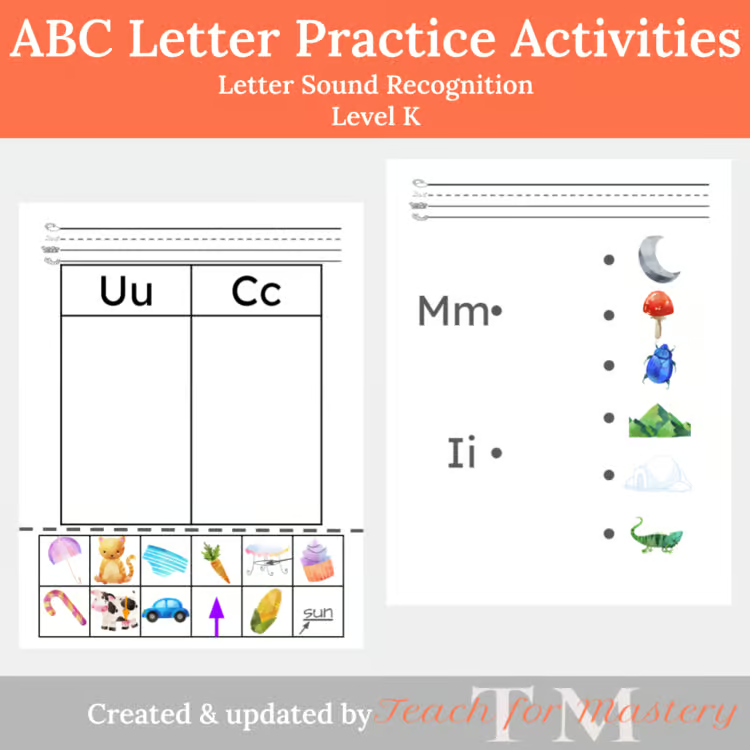
- Sound Search Activities: The “Sound Search” worksheets help students connect lines to pictures that have the correct beginning sound, strengthening their phonemic awareness.
- Sound Sort Activities: Students can cut and paste pictures to sort them by their beginning sounds, a classic activity that helps with sound discrimination and classification.
How to Implement Alphabet Worksheets for Systematic Phonics at Home
You can support your child’s phonics journey at home by incorporating a few simple strategies:
- Follow a Schedule: Create a consistent, structured routine for phonics practice. A good model is a daily drill of letters and sounds, such as “T, top, /t/”.
- Use Hands-On Tools: Incorporate a range of tactile materials like magnetic letters, letter tiles, and playdoh to make learning interactive and fun.
- Reinforce with Decodable Readers: As your child learns new sounds, provide them with decodable books that use only the letter sounds they have been taught. This builds confidence and fluency.
- Make it a Game: Turn phonics practice into a game with activities like letter bingo or sound scavenger hunts to keep your child engaged.
- Be Explicit and Encouraging: Clearly explain the sound each letter makes and provide positive feedback to motivate your child as they progress.
By combining a systematic approach with engaging, hands-on practice, you can help your child build a strong foundation for reading and spelling, setting them up for a lifetime of literacy success.
External Links for Further Reading
- What is Systematic Phonics? https://education.ohio.gov/Topics/Learning-in-Ohio/Literacy/Literacy-Academy/Literacy-Academy-on-Demand/Grades-K-5/Explicit-and-Systematic-Phonics-Instruction
- The Importance of a Structured Phonics Program https://www.learninga-z.com/site/resources/breakroom-blog/unlocking-the-power-of-phonics-a-comprehensive-guide-for-educators-and-parents
- How Multisensory Phonics Supports Learning https://www.hand2mind.com/media/contentmanager/content/h2m_Literacy_White_Paper.pdf
- Wilson Language Training (Fundations) https://www.wilsonlanguage.com/programs/fundations/
- The SPIRE Program https://www.epslearning.com/products/spire-4th-edition
- Reading Rockets: Phonics Instruction https://www.readingrockets.org/topics/phonics-and-decoding/articles/phonics-instruction-basics
- Benefits of Phonics Instruction https://mybrightwheel.com/blog/phonics-activities
- The Value of Multisensory Phonics https://www.readingrockets.org/topics/curriculum-and-instruction/articles/phonics-instruction-value-multi-sensory-approach
- Decoding and Word Recognition https://www.epslearning.com/hubfs/eps-content/resources/spire-4th-edition/customer-resources/SPIRE_Quick_Start_Lessons.pdf
- Structured Literacy and the Science of Reading https://www.wilsonlanguage.com/programs/
More Blogs from Teach for Mastery
Small Reading Groups with Supercharge Your Kindergarten PhonicsTeach Shapes with Matching Games
One Response